What You'll Learn
Course Benefits
Industry Certification
Internationally recognized qualification
Expert Instructors
Learn from industry professionals
Dedicated Support
Assistance during and after training
Practical Skills
Apply knowledge immediately
Course Overview
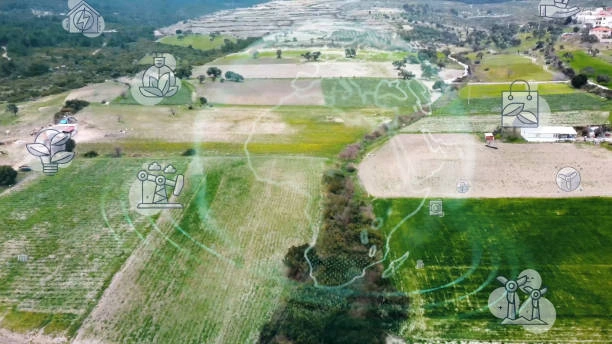
FeaturedRegenerative agriculture is at the forefront of reshaping global food systems by prioritizing practices that restore ecosystems, strengthen soil health, and build resilience against climate change. Unlike conventional farming, it focuses on regenerating resources while ensuring long-term food security and profitability.
This 10-day intensive training provides a comprehensive understanding of global trends, policies, technologies, and market opportunities driving regenerative agriculture. Participants will explore practical tools, governance frameworks, and financing mechanisms to implement regenerative practices at farm, community, and national levels. Through in-depth discussions and case studies, the course bridges the gap between theory and practice, empowering participants to become champions of agricultural transformation.
Duration
10 Days
Who Should Attend
-
Farmers, agribusiness leaders, and cooperative managers
-
Policymakers, regulators, and government officials in agriculture and environment
-
NGOs and development practitioners in sustainable agriculture and food systems
-
Investors, financiers, and corporate leaders in agricultural value chains
-
Academics, researchers, and consultants in agriculture and climate change
Course Impact
Organizational Impact
-
Strengthened alignment with global sustainability standards and climate policies
-
Enhanced competitiveness through regenerative value chains and certified products
-
Improved resilience of agricultural systems to market and climate shocks
Individual Impact
-
Advanced skills in regenerative practices, technologies, and financing models
-
Practical knowledge to scale regenerative agriculture across sectors
-
Capacity to integrate climate resilience and sustainability into agricultural projects
Course Objectives
By the end of this training, participants will be able to:
-
Analyze global trends shaping regenerative agriculture and food systems
-
Apply practical techniques for soil health, biodiversity, and water management
-
Leverage technologies and innovations to optimize regenerative practices
-
Understand policies, financing models, and market opportunities for scaling adoption
-
Develop integrated, multi-stakeholder strategies for sustainable food security
Course Outline
Module 1: Introduction to Regenerative Agriculture
-
Principles, concepts, and key differences from conventional and sustainable farming
-
Global drivers: climate change, soil degradation, biodiversity loss, and food demand
-
Case Study: Transitioning a traditional farm to regenerative agriculture
Module 2: Soil Health and Fertility Management
-
Restoring soil biology through composting, mulching, and natural inputs
-
Crop rotation and cover cropping for nutrient balance
-
Case Study: Building soil fertility to improve productivity and carbon sequestration
Module 3: Water Management and Conservation
-
Techniques for water harvesting, irrigation efficiency, and watershed management
-
Addressing water scarcity and climate resilience in agriculture
-
Case Study: Watershed-based approach to regenerative water management
Module 4: Biodiversity and Ecosystem Restoration
-
Role of biodiversity in resilient agricultural systems
-
Integrating trees, hedgerows, and agroforestry into farming systems
-
Case Study: Restoring degraded land through agroecological practices
Module 5: Climate-Smart Agriculture and Carbon Sequestration
-
Mitigation and adaptation through regenerative agriculture
-
Soil carbon capture and its role in carbon markets
-
Case Study: Carbon farming as a revenue stream for smallholders
Module 6: Innovations and Technology in Regenerative Agriculture
-
Digital farming tools, AI, IoT, and drones for soil and crop monitoring
-
Data-driven decision-making in regenerative systems
-
Case Study: Using technology to enhance regenerative outcomes at scale
Module 7: Policy and Governance for Regenerative Agriculture
-
Global policies and agreements driving regenerative practices (UNFCCC, SDGs, etc.)
-
National frameworks and incentives for adoption
-
Case Study: Policy reforms enabling regenerative farming adoption
Module 8: Financing and Market Opportunities
-
Green finance, blended finance, and climate funds for agriculture
-
Regenerative product certification and premium markets
-
Case Study: Market incentives and financing models supporting regenerative supply chains
Module 9: Scaling Regenerative Agriculture
-
Community adoption strategies and knowledge-sharing platforms
-
Role of cooperatives, farmer organizations, and multi-stakeholder partnerships
-
Case Study: Large-scale adoption of regenerative practices through farmer networks
Module 10: Future of Regenerative Agriculture & Action Planning
-
Emerging global trends: AI, blockchain traceability, and regenerative supply chains
-
Integrating regenerative agriculture into food security and climate resilience agendas
-
Capstone Exercise: Developing an action plan for implementing regenerative practices
Prerequisites
Course Administration Details
Customized Training
This training can be tailored to your institution needs and delivered at a location of your choice upon request.
Requirements
Participants need to be proficient in English.
Training Fee
The fee covers tuition, training materials, refreshments, lunch, and study visits. Participants are responsible for their own travel, visa, insurance, and personal expenses.
Certification
Upon successful completion of this course, participants will be issued with a certificate from Ideal Workplace Solutions certified by the National Industrial Training Authority (NITA) under License NO: NITA/TRN/2734.
Accommodation
Accommodation can be arranged upon request. Contact via email for reservations.
Payment
Payment should be made before the training starts, with proof of payment sent to outreach@idealworkplacesolutions.org.
For further inquiries, please contact us on details below:
Email: outreach@idealworkplacesolutions.org
Mobile: +254759708394
Register for the Course
Select a date and location that works for you.
In-Person Training Schedules
January 2026
| Date | Days | Venue | Fee (VAT Incl.) | Register |
|---|---|---|---|---|
| 5 Jan - 16 Jan 2026 | 10 days | Nairobi, Kenya | KES 198,000 | USD 2,800 | Enroll Now |
| 5 Jan - 16 Jan 2026 | 10 days | Cape Town, South Africa | USD 7,500 | Enroll Now |
| 5 Jan - 16 Jan 2026 | 10 days | Dubai, United Arabs Emirates | USD 8,000 | Enroll Now |
| 5 Jan - 16 Jan 2026 | 10 days | Zanzibar, Tanzania | USD 4,400 | Enroll Now |
| 12 Jan - 23 Jan 2026 | 10 days | Mombasa, Kenya | KES 230,000 | USD 3,000 | Enroll Now |
| 12 Jan - 23 Jan 2026 | 10 days | Kigali, Rwanda | USD 3,800 | Enroll Now |
| 12 Jan - 23 Jan 2026 | 10 days | Accra, Ghana | USD 7,200 | Enroll Now |
| 12 Jan - 23 Jan 2026 | 10 days | Kampala, Uganda | USD 3,800 | Enroll Now |
| 19 Jan - 30 Jan 2026 | 10 days | Dar es Salaam, Tanzania | USD 4,300 | Enroll Now |
| 19 Jan - 30 Jan 2026 | 10 days | Johannesburg, South Africa | USD 6,500 | Enroll Now |
| 19 Jan - 30 Jan 2026 | 10 days | Nakuru, Kenya | KES 210,000 | USD 2,800 | Enroll Now |
| 19 Jan - 30 Jan 2026 | 10 days | Dakar, Senegal | USD 6,000 | Enroll Now |
| 26 Jan - 6 Feb 2026 | 10 days | Pretoria, South Africa | USD 6,300 | Enroll Now |
| 26 Jan - 6 Feb 2026 | 10 days | Kisumu, Kenya | KES 210,000 | USD 3,000 | Enroll Now |
| 26 Jan - 6 Feb 2026 | 10 days | Naivasha, Kenya | KES 210,000 | USD 2,800 | Enroll Now |
| 26 Jan - 6 Feb 2026 | 10 days | Arusha, Tanzania | USD 4,300 | Enroll Now |
USD 3,000
USD 2,800
Request Custom Training
We offer customized training solutions tailored to your organization's specific needs:
- Training at your preferred location
- Customized content to address your specific challenges
- Flexible scheduling to accommodate your team
- Cost-effective solution for training multiple employees
Early-bird Offer
Special pricing ends in:
Recent Activity
Additional Options
Customize your training experienceFrequently Asked Questions
Find answers to common questions about this course
You May Also Be Interested In
Explore more courses in this category
 Intermediate
Training on Implementing Drone Technology on Farms
Boost farm productivity with this hands-on 5-module course—designed to equ...
 Intermediate
Training on Use of Digital Media on Agricultural Information and Innovation
Learn to design and implement digital communication strategies that enhance inno...
 Intermediate
Training on Agricultural Machinery Repair & Maintenance
Enhance your technical and managerial skills in agricultural equipment repair, m...
 Intermediate
Training on Drone-Based Crop Health Monitoring
Harness drone insights for timely crop health decisions with this 5-module cours...
Intermediate
Training on Implementing Drone Technology on Farms
Boost farm productivity with this hands-on 5-module course—designed to equ...
Intermediate
Training on Use of Digital Media on Agricultural Information and Innovation
Learn to design and implement digital communication strategies that enhance inno...
Intermediate
Training on Agricultural Machinery Repair & Maintenance
Enhance your technical and managerial skills in agricultural equipment repair, m...
Intermediate
Training on Drone-Based Crop Health Monitoring
Harness drone insights for timely crop health decisions with this 5-module cours...
Training on Global Trends in Regenerative Agriculture
Next class starts 5 Jan 2026

Subscribe to our Weekly Newsletter!
Get updates on the latest posts and more from Ideal Workplace Solutions straight to your inbox.
About Us

Take your career to the next level with our industry-leading training programs. Designed to build skills, boost confidence and drive success, we empower professionals like you to excel in your current role or explore new opportunities.
Quick Links