What You'll Learn
Course Benefits
Industry Certification
Internationally recognized qualification
Expert Instructors
Learn from industry professionals
Dedicated Support
Assistance during and after training
Practical Skills
Apply knowledge immediately

Course Overview
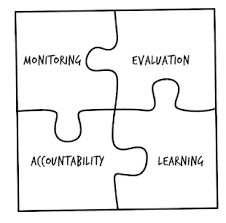
FeaturedMonitoring, Evaluation, Accountability, and Learning (MEAL) systems are essential for ensuring the effectiveness and impact of development programs. This 10-day intensive training equips participants with practical skills in managing, analyzing, and interpreting MEAL data to support evidence-based decision-making, enhance program accountability, and drive organizational learning. The course combines theory, hands-on exercises, case studies, and group work to strengthen participants’ ability to transform raw data into actionable insights that improve program outcomes.
Duration
5 Days
Who Should Attend
-
MEAL specialists and officers
-
Program and project managers
-
Development practitioners and NGO staff
-
Data analysts working in development programs
-
Donor and funding agency representatives
-
Policy and decision-makers in development organizations
Course Impact
Organisation Impact
-
Improved data quality and reliability for program decision-making
-
Stronger evidence base for donor reporting and accountability
-
Enhanced capacity to demonstrate program outcomes and impact
-
Increased integration of learning into project design and implementation
-
Strengthened culture of transparency and data-driven programming
Individual Impact
-
Strengthened capacity in data collection, management, and analysis
-
Ability to interpret MEAL data to influence program strategies
-
Improved skills in using software tools for data analysis and visualization
-
Greater confidence in presenting and reporting MEAL findings
-
Practical experience through exercises and case studies
Course Objectives
By the end of this training, participants will be able to:
-
Design and manage MEAL data collection systems effectively.
-
Apply statistical and qualitative methods for MEAL data analysis.
-
Use tools and software for analyzing and visualizing data.
-
Interpret data to generate actionable insights for decision-making.
-
Integrate learning into project cycles for continuous improvement.
-
Report MEAL findings clearly and effectively to stakeholders.
Course Outline
Module 1: Introduction to MEAL Systems
-
Understanding MEAL frameworks in development programs
-
Role of data in monitoring, evaluation, accountability, and learning
-
Case study: Linking MEAL data to improved program outcomes
Module 2: MEAL Data Management Principles
-
Data lifecycle management (collection, storage, use, archiving)
-
Data quality standards: accuracy, completeness, timeliness, consistency
-
Tools for effective MEAL data management
Module 3: Designing MEAL Data Collection Systems
-
Quantitative and qualitative data collection methods
-
Digital tools for data collection (ODK, KoboToolbox, CommCare)
-
Ethical considerations in MEAL data collection
Module 4: Statistical Approaches for MEAL Data
-
Introduction to descriptive and inferential statistics
-
Sampling techniques for MEAL studies
-
Practical exercises in Excel/SPSS
Module 5: Qualitative Data Analysis for MEAL
-
Thematic analysis and coding techniques
-
Tools for qualitative data (NVivo, ATLAS.ti basics)
-
Interpreting narratives and stories of change
Module 6: Advanced Quantitative Data Analysis
-
Cross-tabulations, correlations, regression basics
-
Analyzing survey and monitoring data
-
Case study: Using data to measure program impact
Module 7: Data Visualization and Dashboards
-
Principles of effective data visualization
-
Creating dashboards in Excel, Power BI, or Tableau
-
Presenting MEAL findings to different stakeholders
Module 8: Interpreting and Using MEAL Data for Decision-Making
-
Turning data into insights and actionable recommendations
-
Evidence-based program adjustments
-
Case study: Using MEAL data to redesign program strategy
Module 9: Reporting and Communicating MEAL Results
-
Writing clear and concise MEAL reports
-
Visualization for donor and stakeholder reporting
-
Accountability and transparency in reporting
Module 10: Learning, Adaptation, and Action Planning
-
Embedding learning into program design and implementation
-
Using MEAL data for organizational improvement
-
Developing an action plan for applying learning in participants’ contexts
Prerequisites
Course Administration Details
Customized Training
This training can be tailored to your institution needs and delivered at a location of your choice upon request.
Requirements
Participants need to be proficient in English.
Training Fee
The fee covers tuition, training materials, refreshments, lunch, and study visits. Participants are responsible for their own travel, visa, insurance, and personal expenses.
Certification
Upon successful completion of this course, participants will be issued with a certificate from Ideal Workplace Solutions certified by the National Industrial Training Authority (NITA) under License NO: NITA/TRN/2734.
Accommodation
Accommodation can be arranged upon request. Contact via email for reservations.
Payment
Payment should be made before the training starts, with proof of payment sent to outreach@idealworkplacesolutions.org.
For further inquiries, please contact us on details below:
Email: outreach@idealworkplacesolutions.org
Mobile: +254759708394
Register for the Course
Select a date and location that works for you.
In-Person Training Schedules
January 2026
| Date | Days | Venue | Fee (VAT Incl.) | Register |
|---|---|---|---|---|
| 5 Jan - 9 Jan 2026 | 5 days | Nairobi, Kenya | KES 99,000 | USD 1,400 | Enroll Now |
| 5 Jan - 9 Jan 2026 | 5 days | Cape Town, South Africa | USD 3,500 | Enroll Now |
| 5 Jan - 9 Jan 2026 | 5 days | Dubai, United Arabs Emirates | USD 4,000 | Enroll Now |
| 5 Jan - 9 Jan 2026 | 5 days | Zanzibar, Tanzania | USD 2,200 | Enroll Now |
| 12 Jan - 16 Jan 2026 | 5 days | Mombasa, Kenya | KES 115,000 | USD 1,500 | Enroll Now |
| 12 Jan - 16 Jan 2026 | 5 days | Kigali, Rwanda | USD 1,800 | Enroll Now |
| 12 Jan - 16 Jan 2026 | 5 days | Accra, Ghana | USD 5,950 | Enroll Now |
| 12 Jan - 16 Jan 2026 | 5 days | Kampala, Uganda | USD 2,200 | Enroll Now |
| 19 Jan - 23 Jan 2026 | 5 days | Dar es Salaam, Tanzania | USD 2,000 | Enroll Now |
| 19 Jan - 23 Jan 2026 | 5 days | Johannesburg, South Africa | USD 3,100 | Enroll Now |
| 19 Jan - 23 Jan 2026 | 5 days | Nakuru, Kenya | KES 105,000 | USD 1,400 | Enroll Now |
| 19 Jan - 23 Jan 2026 | 5 days | Dakar, Senegal | USD 3,500 | Enroll Now |
| 26 Jan - 30 Jan 2026 | 5 days | Pretoria, South Africa | USD 3,100 | Enroll Now |
| 26 Jan - 30 Jan 2026 | 5 days | Kisumu, Kenya | KES 105,000 | USD 1,500 | Enroll Now |
| 26 Jan - 30 Jan 2026 | 5 days | Naivasha, Kenya | KES 105,000 | USD 1,400 | Enroll Now |
| 26 Jan - 30 Jan 2026 | 5 days | Arusha, Tanzania | USD 2,000 | Enroll Now |
USD 1,400
Request Custom Training
We offer customized training solutions tailored to your organization's specific needs:
- Training at your preferred location
- Customized content to address your specific challenges
- Flexible scheduling to accommodate your team
- Cost-effective solution for training multiple employees
Early-bird Offer
Special pricing ends in:
Recent Activity
Additional Options
Customize your training experienceFrequently Asked Questions
Find answers to common questions about this course
You May Also Be Interested In
Explore more courses in this category
 Intermediate
Training on Developing Monitoring and Evaluation Systems and Structures
Elevate your project's effectiveness. Learn to build M&E structures that ensure...
 Intermediate
Training on Outcome Mapping Methodology
Master Outcome Mapping tools to track progress markers, engage partners, and str...
 Foundation
Training on Monitoring & Evaluation for Humanitarian Programs
Build strong Monitoring & Evaluation systems for humanitarian programs—learn dat...
 Intermediate
Training on Monitoring, Evaluating, Accountability, and Learning (MEAL)
Master Monitoring, Evaluation, Accountability, and Learning (MEAL). Learn to des...
Intermediate
Training on Developing Monitoring and Evaluation Systems and Structures
Elevate your project's effectiveness. Learn to build M&E structures that ensure...
Intermediate
Training on Outcome Mapping Methodology
Master Outcome Mapping tools to track progress markers, engage partners, and str...
Foundation
Training on Monitoring & Evaluation for Humanitarian Programs
Build strong Monitoring & Evaluation systems for humanitarian programs—learn dat...
Intermediate
Training on Monitoring, Evaluating, Accountability, and Learning (MEAL)
Master Monitoring, Evaluation, Accountability, and Learning (MEAL). Learn to des...
Training on Managing, Analyzing, and Interpreting MEAL Data for Development Programs
Next class starts 5 Jan 2026

Subscribe to our Weekly Newsletter!
Get updates on the latest posts and more from Ideal Workplace Solutions straight to your inbox.
About Us

Take your career to the next level with our industry-leading training programs. Designed to build skills, boost confidence and drive success, we empower professionals like you to excel in your current role or explore new opportunities.
Quick Links