What You'll Learn
Gain expertise in soil science and management. Our training course covers critical topics like soil fertility, soil structure, and sustainable soil management practices.
Course Benefits
Industry Certification
Internationally recognized qualification
Expert Instructors
Learn from industry professionals
Dedicated Support
Assistance during and after training
Practical Skills
Apply knowledge immediately
Course Overview
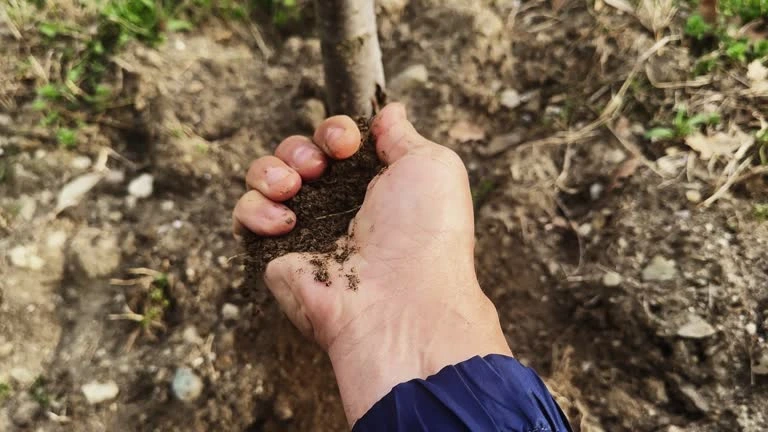
FeaturedSoil Science and Management provides participants with a comprehensive understanding of soil properties, processes, and sustainable soil management practices. Participants will explore the fundamental aspects of soil science, including physical, chemical, and biological properties, soil fertility, water retention, and erosion control. The course emphasizes modern soil management techniques to enhance agricultural productivity and environmental sustainability. Practical field activities, case studies, and soil testing techniques will allow participants to develop hands-on experience in sustainable soil use and conservation strategies.
Duration
10 Days
Who Should Attend
- Agronomists, horticulturists, and environmental scientists
- Soil scientists and technicians
- Agricultural extension officers and land management professionals
- Farmers, landscapers, and agribusiness professionals
- Environmental and sustainability consultants
- Researchers and students in agriculture or environmental science
Course Impact
Organizational Impact
-
The organization can significantly increase crop yields and quality by implementing science-backed practices that improve soil health and fertility.
-
By optimizing nutrient management and reducing erosion, the organization can lower operational costs and ensure more efficient use of resources.
-
Investing in soil health ensures the long-term viability and productivity of agricultural land, which is a critical asset for the organization.
-
Adopting sustainable soil management practices enhances the organization's reputation and contributes to its environmental responsibility goals.
Personal Impact
-
The participant will gain a highly valuable and foundational skill set that is essential for all aspects of agricultural production.
-
Expertise in soil science is a crucial skill for career progression into advanced agronomy, farm management, or research and development roles.
-
The individual will be able to contribute directly to the organization's long-term sustainability and profitability by improving its most valuable asset.
-
The training provides the confidence to make informed decisions about land management that benefit both the business and the environment.
Course Objectives
By the end of this course, participants will be able to:
- Understand the basic principles of soil science, including soil formation, classification, and composition.
- Assess the physical, chemical, and biological properties of soils and their influence on plant growth and land productivity.
- Conduct soil testing and interpret results for better land use decisions.
- Apply sustainable soil management practices to maintain soil health and productivity.
- Implement strategies to manage soil erosion, improve soil fertility, and conserve soil moisture.
- Recognize the role of soil in the ecosystem and its interaction with water, nutrients, and organic matter.
- Utilize soil conservation techniques to mitigate environmental challenges such as desertification, salinity, and pollution.
- Integrate advanced soil management technologies for improved agricultural sustainability and environmental resilience.
Course Outline
Module 1: Introduction to Soil Science
- Soil formation and development
- Soil components: minerals, organic matter, water, and air
- Soil classification and taxonomy
- Overview of soil functions in ecosystems
Module 2: Soil Physical Properties
- Soil texture, structure, and porosity
- Soil water retention and movement
- Soil aeration and temperature regulation
- Practical session: Soil texture and moisture determination
Module 3: Soil Chemical Properties
- Soil pH and its impact on nutrient availability
- Cation exchange capacity (CEC) and base saturation
- Soil salinity and alkalinity management
- Practical session: Soil pH and nutrient analysis
Module 4: Soil Biology and Organic Matter
- Soil organisms and their roles in nutrient cycling
- Decomposition of organic matter and humus formation
- The importance of soil biodiversity for soil health
- Practical session: Soil microbiology and organic matter testing
Module 5: Soil Fertility and Nutrient Management
- Essential plant nutrients and soil fertility management
- Fertilizer types, application techniques, and timing
- Soil amendments: organic vs. inorganic inputs
- Case study: Nutrient management plans in sustainable agriculture
Module 6: Soil Erosion and Conservation Techniques
- Types and causes of soil erosion
- Soil conservation structures and practices
- Vegetative and mechanical erosion control methods
- Fieldwork: Identifying erosion-prone areas and conservation practices
Module 7: Water Management and Soil Moisture Conservation
- Role of soil in water retention and drainage
- Irrigation management and soil-water relations
- Techniques for improving soil moisture retention
- Case study: Water management in different soil types
Module 8: Soil Pollution and Remediation
- Sources of soil contamination: heavy metals, pesticides, and industrial waste
- Soil remediation techniques: bioremediation, phytoremediation, and soil washing
- Managing contaminated soils in agricultural and industrial lands
- Practical session: Identifying and testing polluted soils
Module 9: Advanced Soil Management Technologies
- Precision agriculture and GIS applications in soil management
- Remote sensing for soil mapping and monitoring
- Role of drones and sensors in soil health monitoring
- Case study: Successful implementation of technology in soil management
Module 10: Sustainable Soil Management and Policy
- Soil management strategies for climate change adaptation
- Policy frameworks for soil protection and sustainable land use
- Integrating soil health into national and international agricultural policies
- Developing a sustainable soil management plan
Prerequisites
Course Administration Details
Customized Training
This training can be tailored to your institution needs and delivered at a location of your choice upon request.
Requirements
Participants need to be proficient in English.
Training Fee
The fee covers tuition, training materials, refreshments, lunch, and study visits. Participants are responsible for their own travel, visa, insurance, and personal expenses.
Certification
Upon successful completion of this course, participants will be issued with a certificate from Ideal Workplace Solutions certified by the National Industrial Training Authority (NITA) under License NO: NITA/TRN/2734.
Accommodation
Accommodation can be arranged upon request. Contact via email for reservations.
Payment
Payment should be made before the training starts, with proof of payment sent to outreach@idealworkplacesolutions.org.
For further inquiries, please contact us on details below:
Email: outreach@idealworkplacesolutions.org
Mobile: +254759708394
Register for the Course
Select a date and location that works for you.
In-Person Training Schedules
January 2026
| Date | Days | Venue | Fee (VAT Incl.) | Register |
|---|---|---|---|---|
| 5 Jan - 16 Jan 2026 | 10 days | Nairobi, Kenya | KES 198,000 | USD 2,800 | Enroll Now |
| 5 Jan - 16 Jan 2026 | 10 days | Cape Town, South Africa | USD 7,500 | Enroll Now |
| 5 Jan - 16 Jan 2026 | 10 days | Dubai, United Arabs Emirates | USD 8,000 | Enroll Now |
| 5 Jan - 16 Jan 2026 | 10 days | Zanzibar, Tanzania | USD 4,400 | Enroll Now |
| 12 Jan - 23 Jan 2026 | 10 days | Mombasa, Kenya | KES 230,000 | USD 3,000 | Enroll Now |
| 12 Jan - 23 Jan 2026 | 10 days | Kigali, Rwanda | USD 3,800 | Enroll Now |
| 12 Jan - 23 Jan 2026 | 10 days | Accra, Ghana | USD 7,200 | Enroll Now |
| 12 Jan - 23 Jan 2026 | 10 days | Kampala, Uganda | USD 3,800 | Enroll Now |
| 19 Jan - 30 Jan 2026 | 10 days | Dar es Salaam, Tanzania | USD 4,300 | Enroll Now |
| 19 Jan - 30 Jan 2026 | 10 days | Johannesburg, South Africa | USD 6,500 | Enroll Now |
| 19 Jan - 30 Jan 2026 | 10 days | Nakuru, Kenya | KES 210,000 | USD 2,800 | Enroll Now |
| 19 Jan - 30 Jan 2026 | 10 days | Dakar, Senegal | USD 6,000 | Enroll Now |
| 26 Jan - 6 Feb 2026 | 10 days | Pretoria, South Africa | USD 6,300 | Enroll Now |
| 26 Jan - 6 Feb 2026 | 10 days | Kisumu, Kenya | KES 210,000 | USD 3,000 | Enroll Now |
| 26 Jan - 6 Feb 2026 | 10 days | Naivasha, Kenya | KES 210,000 | USD 2,800 | Enroll Now |
| 26 Jan - 6 Feb 2026 | 10 days | Arusha, Tanzania | USD 4,300 | Enroll Now |
USD 3,000
USD 2,800
Request Custom Training
We offer customized training solutions tailored to your organization's specific needs:
- Training at your preferred location
- Customized content to address your specific challenges
- Flexible scheduling to accommodate your team
- Cost-effective solution for training multiple employees
Early-bird Offer
Special pricing ends in:
Recent Activity
Additional Options
Customize your training experienceFrequently Asked Questions
Find answers to common questions about this course
You May Also Be Interested In
Explore more courses in this category
 Intermediate
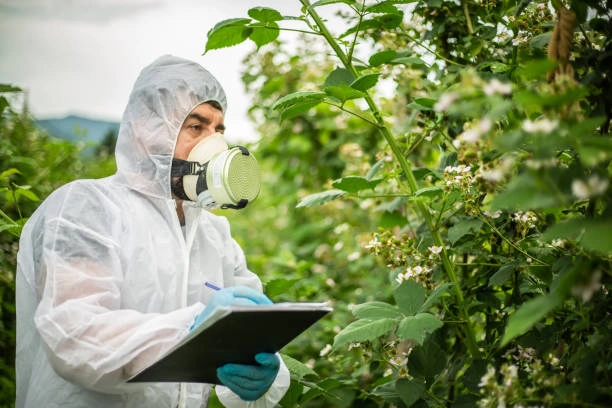
Training on Pesticide and Chemical Usage Compliance
Gain professional expertise in pesticide and chemical usage compliance.
 Intermediate
Training on Agriculture Insurance
Equip professionals with practical skills to develop and implement resilient agr...
 Intermediate
Training on Use of Digital Media on Agricultural Information and Innovation
Learn to design and implement digital communication strategies that enhance inno...
 Foundation
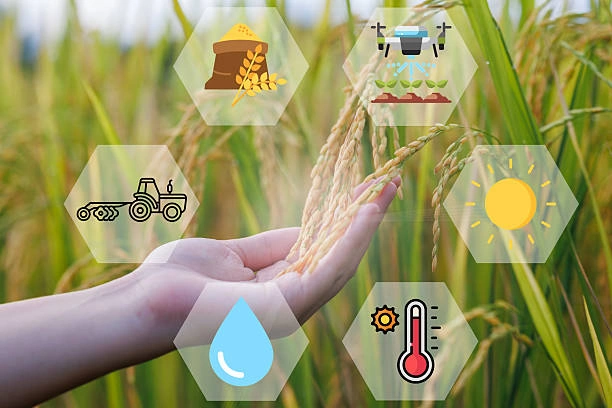
Training on GIS & Remote Sensing in Agriculture, Food Security, and Climate Change
Understand modern sustainability. This training gives you the fundamentals to us...
Intermediate
Training on Pesticide and Chemical Usage Compliance
Gain professional expertise in pesticide and chemical usage compliance.
Intermediate
Training on Agriculture Insurance
Equip professionals with practical skills to develop and implement resilient agr...
Intermediate
Training on Use of Digital Media on Agricultural Information and Innovation
Learn to design and implement digital communication strategies that enhance inno...
Foundation
Training on GIS & Remote Sensing in Agriculture, Food Security, and Climate Change
Understand modern sustainability. This training gives you the fundamentals to us...
Training on Soil Science and Management
Next class starts 5 Jan 2026

Subscribe to our Weekly Newsletter!
Get updates on the latest posts and more from Ideal Workplace Solutions straight to your inbox.
About Us

Take your career to the next level with our industry-leading training programs. Designed to build skills, boost confidence and drive success, we empower professionals like you to excel in your current role or explore new opportunities.
Quick Links